


Tüm ürünler
-
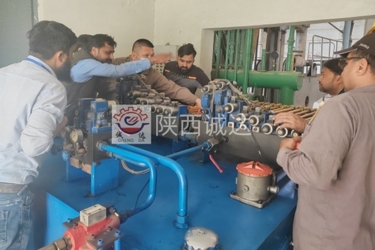 Syed Rashid Ahmed ButtShaanxi Chengda Endüstriyel Fırın Co., Ltd. elektrikli ark fırınının çalıştırılmasını tamamladı, işçiler ekipmanları öğrenmek ve kullanmak için Chengda mühendisleriyle dikkatli bir şekilde işbirliği yaptılar,Çin ve Pakistan halkları arasındaki derin dostluğu ve mükemmel işbirliğini gösteren.
 -
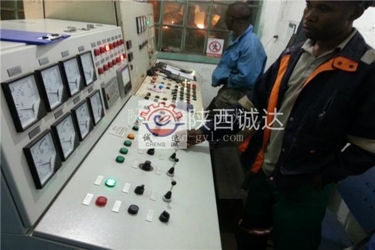 Aboubacar1 aydan fazla yoğun üretim ve hata ayıklama sonrasında,2 set ısı değişimi duman gazı çökme odası ekipmanı başarıyla kullanıma verildi ~ Projeye katılan tüm personel çok çalıştı- Hayır.
 -
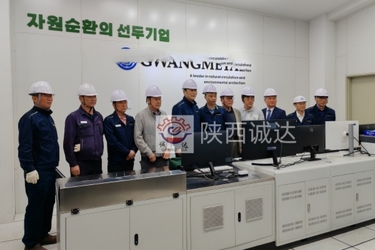 Ji-hwan.Güney Kore'deki Shaanxi Chengda Endüstriyel Fırın Üretim Şirketi,Kuzey Chungcheong ilçesi değerli metal erime fırını ekipmanı kurulum ve dikkatli üretim ve sıkı komisyonlama, karşılıklı yararı olan kazançlı işbirliğine ulaşmak için daha fazla alanda geleceği bekliyoruz!
İlgili kişi :
Du
Telefon numarası :
13991381852
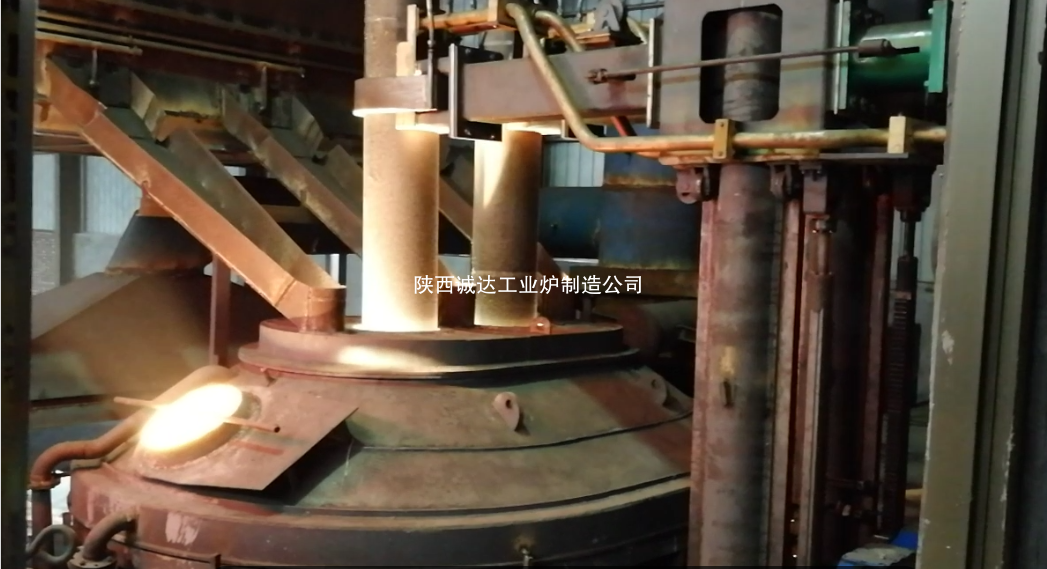
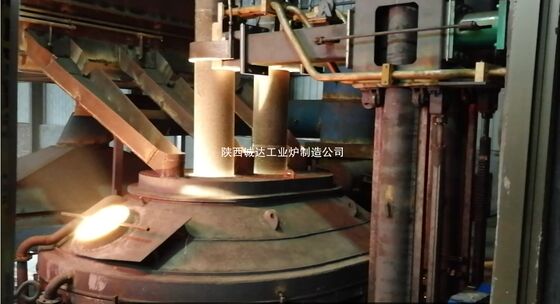
Dünyanın önde gelen teknolojisine/icat patentlerine sahip çift elektrotlu DC ark ocağı
| Menşe yeri | Çin |
|---|---|
| Marka adı | Shaanxi Chengda |
| Sertifika | ISO 9001 |
| Model numarası | Ekipman işleme kapasitesine göre müzakere edin |
| Min sipariş miktarı | 1 adet |
| Fiyat | The price will be negotiated based on the technical requirements and supply scope of Party A |
| Ambalaj bilgileri | Partinin özel gereksinimlerine göre tartışın |
| Teslim süresi | 2~3 ay |
| Ödeme koşulları | L/C,T/T,Western Union |
| Yetenek temini | Tam üretim tedarik zinciri, zamanında tedarik ve kalite standartlarını karşılama |
Ürün ayrıntıları
| Vurgulamak | Çift elektrotlu DC ark ocağı,Patentli DC ark ocağı,Çelik üretimi DC ark ocağı |
||
|---|---|---|---|
Ürün Açıklaması
Çift elektrotlu DC ark ocağı (DE-DC EAF), iki grafit elektrot (bir katot ve bir anot) kullanarak DC ark oluşturan, kararlı arklara, düşük gürültüye ve düşük elektrot tüketimine sahip bir eritme ekipmanıdır. Çelik üretimi, demir dışı metal eritme ve metal geri dönüşümü için uygundur. Aşağıda ayrıntılı bir teknik ve uygulama genel görünümü bulunmaktadır:
Temel Yapı ve Çalışma Prensibi
- Temel Bileşenler: İki grafit elektrot (katot + anot), DC güç kaynağı (tristör doğrultucu), fırın gövdesi (su soğutmalı fırın kapağı/duvarı, refrakter astar), elektrot kaldırma mekanizması ve isteğe bağlı alt anot (bazı konfigürasyonlar için).
- Çalışma Prensibi: DC akımı, anot elektrottan erimiş banyo içinden katot elektroda akar ve iki ark oluşturur (her bir elektrot ile banyo arasında bir tane). Tek elektrotlu DC EAF alt anotlarının karmaşık tasarımından kaçınır ve AC fırınlardan dönüştürmek kolaydır.
- Ark Özellikleri: Arklar kararlıdır ve yoğundur, banyoya doğru 15°–30° sapma açısına sahiptir; elektromanyetik kuvvet, arkın merkez etrafında dönmesini sağlar (saniyede birkaç kez), homojen ısıtma sağlar.
Temel Teknik Parametreler (Tipik Aralıklar)
| Parametre | Laboratuvar/ Küçük (≤5t) | Endüstriyel/ Orta (5–50t) | Endüstriyel/ Büyük (≥50t) |
|---|---|---|---|
| Nominal Kapasite | 0.5–5t | 5–50t | 50–420t |
| DC Giriş Gerilimi | 300–500V | 500–800V | 800–1200V |
| Nominal Akım | 1–5kA | 5–20kA | 20–280kA (örneğin, 420t fırın: 280kA toplam) |
| Nominal Güç | 0.5–2MW | 2–10MW | 10–50MW |
| Elektrot Çapı | 200–400mm | 400–700mm | 700–1200mm |
| Eritme Gürültüsü | ≤90dB | 85–88dB (AC EAF'den 15dB daha düşük) | 85–90dB |
| Elektrot Tüketimi | ≤1.2kg/t | 0.8–1.0kg/t (AC EAF'den %50 daha düşük) | 0.6–0.9kg/t |
| Eritme Hızı | 2–4℃/dak | 4–6℃/dak | 5–8℃/dak |
| Döküm Sıcaklığı | 1600–1700℃ | 1650–1800℃ | 1700–1850℃ |
Geleneksel Fırınlara Karşı Temel Avantajlar
- Ark Kararlılığı ve Homojen Isıtma: Ark titremesi yok; banyonun elektromanyetik karıştırılması sıcak noktaları ortadan kaldırır, astar erozyonunu %20–30 oranında azaltır.
- Düşük Enerji ve Elektrot Tüketimi: Güç tüketimi AC EAF'den %5–10 daha düşüktür; elektrot tüketimi AC EAF'ye kıyasla ~%50 azalır (tek elektrotlu DC EAF seviyesi).
- Şebeke Dostu: Daha küçük gerilim dalgalanmaları ve reaktif güç değişiklikleri; DC reaktör, ani akımı bastırır, zayıf şebekelere sahip alanlar için uygundur.
- Esnek Dönüşüm: Karmaşık alt anotlara gerek yok; mevcut AC fırın kapları, düşük maliyetle DE-DC EAF'ye dönüştürülebilir.
- Düşük Gürültü: Eritme gürültüsü ~87dB'dir (AC EAF'den 15dB daha düşüktür), esas olarak izole edilmesi kolay yüksek frekanslı bileşenlere sahiptir.
Uygulama Senaryoları
- Özel Çelik Eritme: Rulman çeliği, düşük karbonlu paslanmaz çelik, ısıya dayanıklı çelik; yüksek alaşım geri kazanım oranı (≥%96 Ni/Cr/Mo için).
- Demir Dışı Metalurji: Magnezyum eritme (DC batık ark ocağı), bakır/nikel alaşımı eritme; kararlı çalışma ve büyük kristal taneleri.
- Metal Geri Dönüşümü: Hurda çelik, eritme atık kalıntısı ve nadir metal geri kazanımı; hammaddelere güçlü uyum.
- Refrakter Metal İşleme: Tungsten/molibden alaşımlarının eritilmesi (yardımcı plazma ısıtması ile).
Tipik Konfigürasyon ve Çalışma Notları
- Elektrot Konfigürasyonu: İki üst elektrot (katot + anot) standarttır; bazı büyük fırınlar, akım dağılımını dengelemek için 2–4 su soğutmalı alt anot ekler.
- Güç Kaynağı Sistemi: Tristör doğrultucu + DC reaktör; ark uzunluğu, güç girişini stabilize etmek için elektrot kaldırma mekanizması tarafından otomatik olarak ayarlanır.
- Soğutma Sistemi: Toplam su akış hızı 10–500m³/saat, su basıncı 0.3–0.6MPa ve iletkenlik ≤50μS/cm, elektrotların aşırı ısınmasını önlemek için.
- Atmosfer Kontrolü: Oksidasyonu azaltmak ve alaşım geri kazanımını iyileştirmek için isteğe bağlı argon/nitrojen sızdırmazlığı.
Diğer Fırın Tipleriyle Karşılaştırma
| Özellik | Çift Elektrotlu DC EAF | Tek Elektrotlu DC EAF | Üç Fazlı AC EAF |
|---|---|---|---|
| Elektrot Düzenlemesi | İki üst elektrot (katot + anot) | Bir üst katot + alt anot | Üç üst elektrot |
| Alt Anot | İsteğe bağlı (daha basit tasarım) | Zorunlu (karmaşık tasarım) | Gerekli değil |
| Ark Kararlılığı | Yüksek | Yüksek | Düşük (titreme) |
| Elektrot Tüketimi | Düşük (~0.8–1.0kg/t) | Düşük | Yüksek (~2.0–3.0kg/t) |
| Dönüşüm Maliyeti | Düşük (AC fırınlardan) | Yüksek | Yok |
| Gürültü Seviyesi | Düşük (85–88dB) | Düşük | Yüksek (100–110dB) |
Gelişim Trendleri
- Ultra Yüksek Güç: Büyük ölçekli fırınlar (örneğin, 420t), güç yoğunluğunu artırmak için çift katot + çoklu alt anot konfigürasyonlarını benimser.
- Enerji Tasarrufu Teknolojisi: Oksijen-yakıtlı yanma ve atık ısı geri kazanımı ile birleştirildiğinde, enerji tüketimi %10–15 oranında azalır.
- Akıllı Kontrol: Eritme döngülerini optimize etmek için yapay zeka tabanlı ark uzunluğu ve sıcaklık kontrol sistemleri.
- Çevre Koruma: Yüksek verimli toz giderme (emisyon konsantrasyonu ≤10mg/m³) ve düşük-NOₓ operasyonu.
Özet
Çift elektrotlu DC ark ocakları, performans, maliyet ve esnekliği dengeler, bu da onları hem yeni tesisler hem de AC-DC dönüşümleri için uygun hale getirir. Yüksek kaliteli çelik üretimi, demir dışı metal eritme ve metal geri dönüşümünde yaygın olarak kullanılırlar ve enerji tasarrufu, çevre koruma ve operasyonel kararlılık açısından önemli avantajlara sahiptirler.
Önerilen Ürünler
